


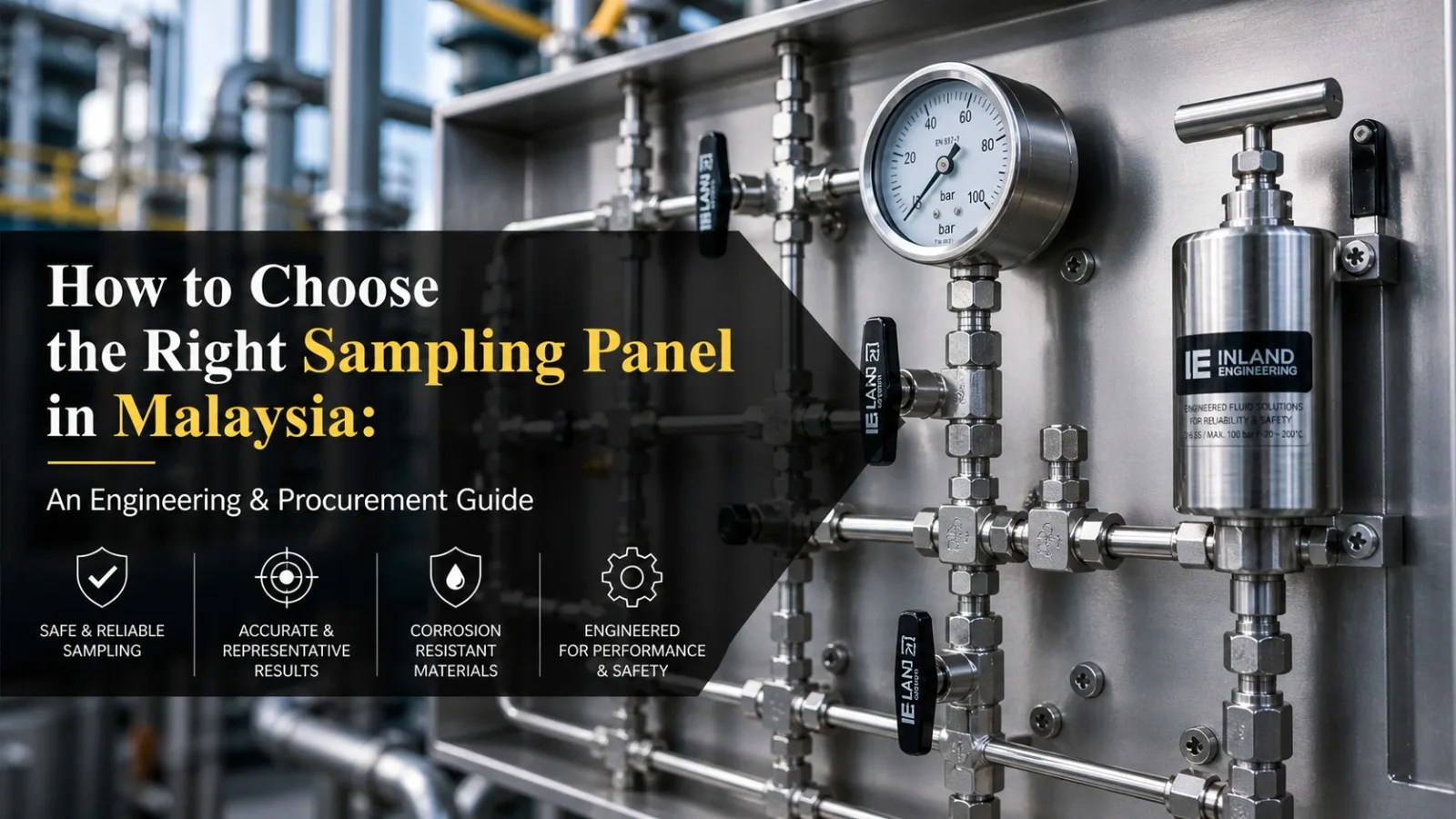
In industrial environments, a sampling panel is a critical part of the measurement integrity chain, directly affecting whether lab results reflect true process conditions.
In industries like oil & gas, petrochemicals, and manufacturing in Malaysia, the wrong choice can lead to inaccurate data, safety risks, and higher lifecycle costs due to system failure or corrosion. This guide provides a structured, engineering-first approach to help you choose the right system.
Understanding Alleima and Its Tubing Solutions
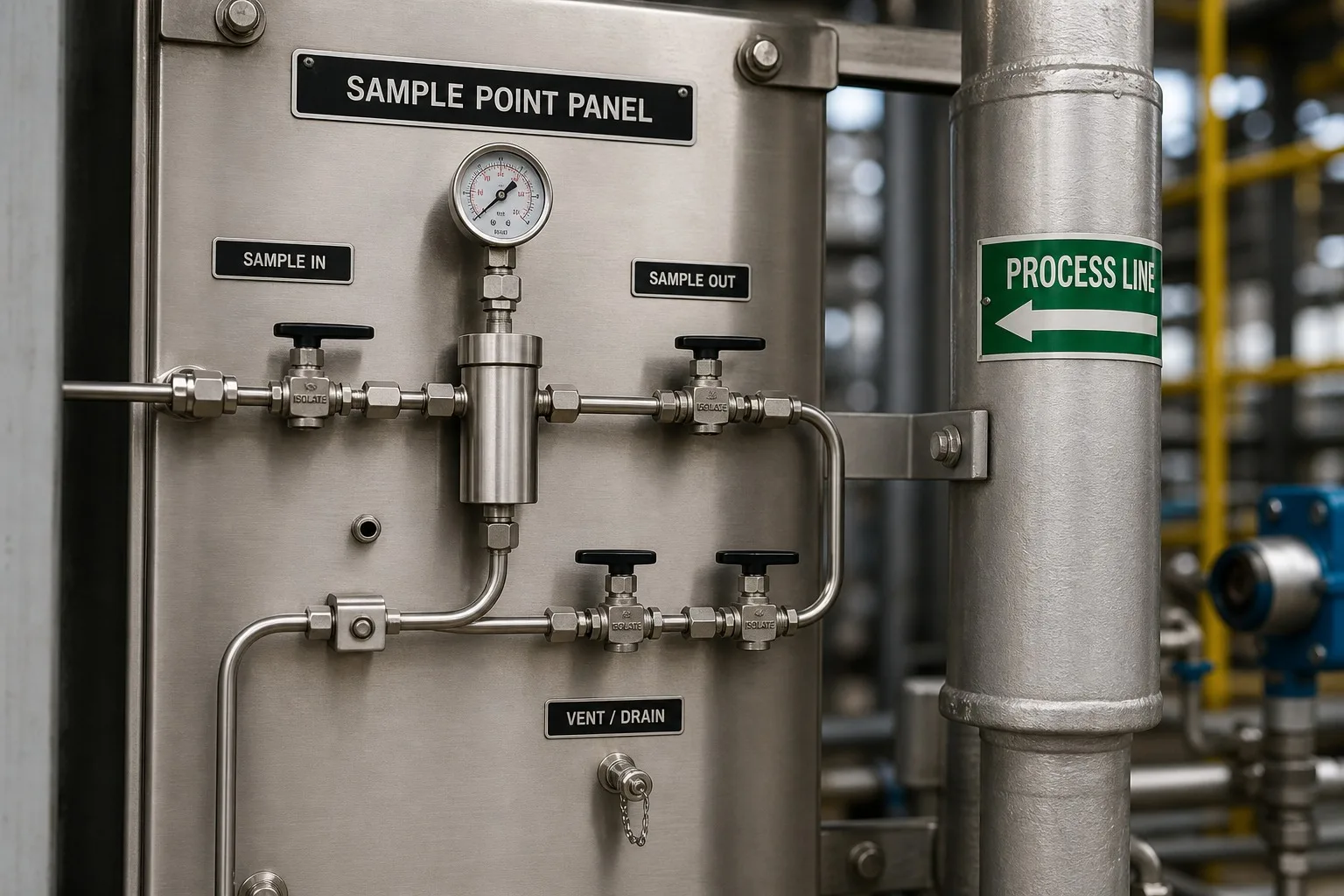
A sampling panel is an engineered system used to safely extract samples from a process line for laboratory testing. While the function may seem simple, its role in industrial systems is much more important than just “taking a sample.”
A well-designed sampling system needs to achieve three key outcomes at the same time: accurate results, system protection, and safe operation.
1. Sample Representativeness
The sample taken must truly reflect the actual process conditions, including composition, temperature, pressure, and phase behaviour. If the sample is not representative, even slightly, it can lead to incorrect lab results and poor operational decisions.
2. System Integrity
The sampling system must prevent outside contamination, maintain pressure containment, and withstand long-term exposure to corrosive or demanding process conditions. This ensures the system remains reliable and consistent over time.
3. Operator & Environmental Safety
Especially in high-risk industries. A proper sampling panel helps protect operators from hazardous exposure, allows controlled pressure release, and reduces the risk of leaks or emissions during sampling.
For example, Inland provides manual sampling systems that are specifically designed to ensure safe, controlled, and repeatable sample extraction across various industrial applications.
Step 1 – Define Your Process Conditions (Critical Engineering Input)
Before selecting any sampling panel, it is essential to clearly define your process envelope.
Key Parameters to Evaluate
| Parameter | Why It Matters | Design Impact |
| Pressure | Determines system strength | Valve rating, tubing thickness |
| Temperature | Affects fluid behavior | Cooling or insulation required |
| Fluid composition | Impacts material selection | Corrosion resistance needed |
| Flow characteristics | Affects sampling accuracy | Probe and line design |
| Hazard classification | Determines safety level | Open vs closed-loop system |
Engineering Insight – Phase Change Risk
One of the most common causes of inaccurate sampling is phase change during extraction. This occurs when process conditions change during sampling, leading to distorted results.
For example, liquids may flash into vapour due to a sudden pressure drop, or dissolved gases may escape from liquid samples. This results in non-representative samples and unreliable laboratory data, which can directly impact operational decisions.
To reduce this risk, proper pressure regulation, controlled flow rates, and correct line sizing and routing are essential.
Step 2 – Selecting the Right Sampling Method
Manual sampling panels are still widely used in many industrial applications, mainly due to their lower cost and simplicity of operation. They are generally suitable for processes that require low-frequency sampling, involve non-critical measurements, or handle less hazardous media.
However, manual systems also come with inherent limitations. Because the process depends heavily on operator action, there can be variability in how samples are taken. This may lead to inconsistent sampling procedures and differences in sample quality over time. In addition, manual operation can increase the risk of operator exposure, especially when dealing with pressurised or potentially hazardous substances.
Engineered / Automated Sampling Systems
Engineered or automated sampling systems are designed for applications that demand high precision and reliability. They are commonly used in critical processes where consistency and data accuracy are essential.
One of their key advantages is the ability to maintain consistent sampling conditions every time, which significantly reduces human error. These systems can also be integrated directly with process analyzers, allowing for more continuous and real-time monitoring of process conditions.
However, these benefits come with trade-offs. Automated systems typically require a higher initial capital investment and involve greater system complexity in terms of design, installation, and maintenance compared to manual sampling setups.
Practical Decision Framework
| Criteria | Manual System | Engineered System |
| Initial Cost | Low | High |
| Accuracy | Variable | High |
| Safety | Moderate | High |
| Long-Term Value | Moderate | High |
Step 3 – Safety Engineering: Moving Towards Closed-Loop Systems
Limitations of Traditional Open Sampling
Traditional open sampling systems come with several inherent risks because the sample is exposed during collection. This creates potential hazards for operators who may come into direct contact with toxic or pressurised substances. It can also release emissions into the environment, which increases both environmental impact and regulatory compliance risks for companies.
Closed-Loop Sampling Systems
Closed-loop sampling systems are designed to eliminate these issues by fully containing the sample within a sealed system. Any excess fluid is safely returned to the process, preventing direct exposure at any point during sampling.
The main advantage of this approach is significantly improved operator safety, as it reduces the risk of contact with hazardous media. It also minimises environmental impact by preventing emissions and supports better compliance with increasingly strict regulatory requirements.
For industries handling hazardous, volatile, or high-value media, closed-loop sampling systems are no longer just an optional upgrade but are increasingly becoming a necessary standard.
Step 4 – Material Selection: The Foundation of Reliability
Material Selection and System Performance
Material selection is critical to the reliability and lifespan of a sampling system. Incorrect choices can quickly lead to performance issues and system failure in harsh industrial conditions. Common problems include corrosion from chemical exposure, stress cracking under pressure, and leakage at connection points due to material degradation.
Stainless steel is widely used because it offers strong corrosion resistance, high mechanical strength, and long service life in demanding environments. As explained in Inland’s article on why Alleima stainless steel tubing is the top choice for Malaysian industries, material quality plays a crucial role in maintaining system reliability under demanding industrial conditions.
Material Selection Guide
| Material | Typical Use |
| SS304 | General industrial use |
| SS316 / SS316L | Corrosive environments |
| Duplex alloys | High chloride exposure |
Step 5 – Sampling Panel Design Principles
Even with high-quality components, poor design can compromise system performance.
Key Design Considerations
Several design factors directly influence the performance and reliability of a sampling system. One of the most important is dead volume minimisation. Any dead legs or stagnant zones can trap fluid, which may lead to contamination and inaccurate sample results.
Another key factor is the fast loop configuration. By maintaining continuous flow, the system ensures that samples remain fresh and truly representative of the process conditions. Thermal management is also essential, especially in high-temperature applications. Proper control of heat helps preserve sample integrity and prevents unwanted changes before analysis.
Futher more, ergonomics and accessibility play a practical but important role. A well-designed layout improves operator safety, simplifies handling, and makes maintenance more efficient over time.
Step 6 – Procurement Strategy: Moving Beyond Price-Based Decisions
In B2B environments, procurement decisions are not based on cost alone. They require a careful balance between upfront investment and long-term operational value.
When evaluating vendors, engineering expertise is a key factor, as it reflects the supplier’s ability to design solutions that meet real process requirements. Customization capability is also important, especially for systems that must fit specific operational conditions.
Compliance with industry standards ensures the equipment meets safety and performance requirements, while strong after-sales support provides assurance for long-term reliability. Finally, the availability of spare parts plays a crucial role in minimizing downtime and maintaining system continuity over its lifecycle.
Step 7 – Maintenance and System Longevity
Even a well-designed sampling system requires regular maintenance to ensure consistent performance over time. Key areas include checking fittings and connections for tightness, monitoring the system for any signs of leaks or corrosion, and replacing worn or degraded components before they affect reliability.
As further discussed in Inland’s article on maintaining hydraulic hose fittings and preventing system leaks, even minor issues in connections can escalate into major operational risks if not addressed early.
Why Choose Inland for Sampling Panels in Malaysia
Inland delivers sampling panel solutions combining engineering expertise, quality materials, and application-specific design. With strong experience in Malaysian industrial environments, the systems are built for real site conditions and integrate well with broader fluid handling setups.
Customers also benefit from reliable technical support and consultation to ensure proper selection and long-term performance.
Conclusion
Selecting the right sampling panel is about ensuring accurate data, safe operation, and long term system reliability. From process conditions to materials and design, every detail affects sample integrity and performance. Ignoring these factors often leads to inaccurate results, higher maintenance costs, and increased operational risk.
Whether in oil and gas, petrochemical, or manufacturing, a well designed system supports consistent and safe sampling. For engineered solutions tailored to real plant conditions, explore Inland’s Sampling Panel range today.
About the Author

The Inland Technical Insights Team draws on three decades of experience in servicing the oil, gas, petrochemical, power-plant, and instrumentation sectors in Malaysia and Southeast Asia. Founded in 1995 and licensed by national authorities, Inland provides not only premium stainless-steel tubing and instrumentation components but also engineering support, on-site fabrication, and system design services.
Frequently Asked Questions
Is closed-loop sampling necessary?
For hazardous or volatile substances, closed-loop sampling is highly recommended for safety and compliance.
Why do sampling systems fail in industrial applications?
Failures are usually caused by poor design, incorrect material selection, and inadequate understanding of process conditions.
What is the most important factor when selecting a sampling panel?
Process conditions such as pressure, temperature, and fluid composition are the most critical factors.
How can sampling accuracy be ensured?
By maintaining proper pressure, temperature, and system design to prevent contamination or phase changes.